I realised I’d been neglecting my 20th century history, so today’s experiment is an attempt to rectify that.
In all honesty I chose it because of the title: surprise potato balls. What’s not to like?
The recipe came courtesy of the Ministry of Food, which was the government department tasked with rationing during World War Two.
Technically, the original ministry was established in 1916 to regulate food stocks and deal with supply and trade issues. This first ministry was disbanded in 1921 and for the next 18 years Britain was presumably overflowing with unregulated cheese and never-ending supplies of luncheon paste.
But alas, with the dawning of World War Two the nation was plunged into desperation again, and the second ministry was set up in September of 1939. Its role was similar to the first one, but as well as rationing it was also tasked with researching ways food could be used and preserved.
Ration books were issued to every person in the land with different coupons depending on your age and health. Pregnant women and nursing mothers, for example, were allowed a supply of 1 pint of milk per day when (by 1942) the typical allowance for others was 3 pints per week.
By the end of the war the only things not covered by rationing were fresh fruit and veg. The government, eager to encourage the use of as much of these non rationed foodstuffs as possible, published leaflets with an array of questionable and unappetising enigmatic and inventive recipes for desperate cooks to try out at home. And the veg with the most potential? The humble spud.
Oh, how the ministry loved potatoes. Perhaps Lord Woolton, the minister for food during World War Two had shares in a potato farm. Perhaps he just loved chips. But the ministry churned out pro-potato propaganda as if people’s lives depended on it. Which, I guess, they sort of did.
A superfood?
“There is no vegetable more useful than the potato”, one leaflet cried. The potato provided “fine energy” as well as being a “protective food”, crowed another. People were advised to eat at least 12 ounces or even 1lb of potatoes a day, in any form they could stomach.
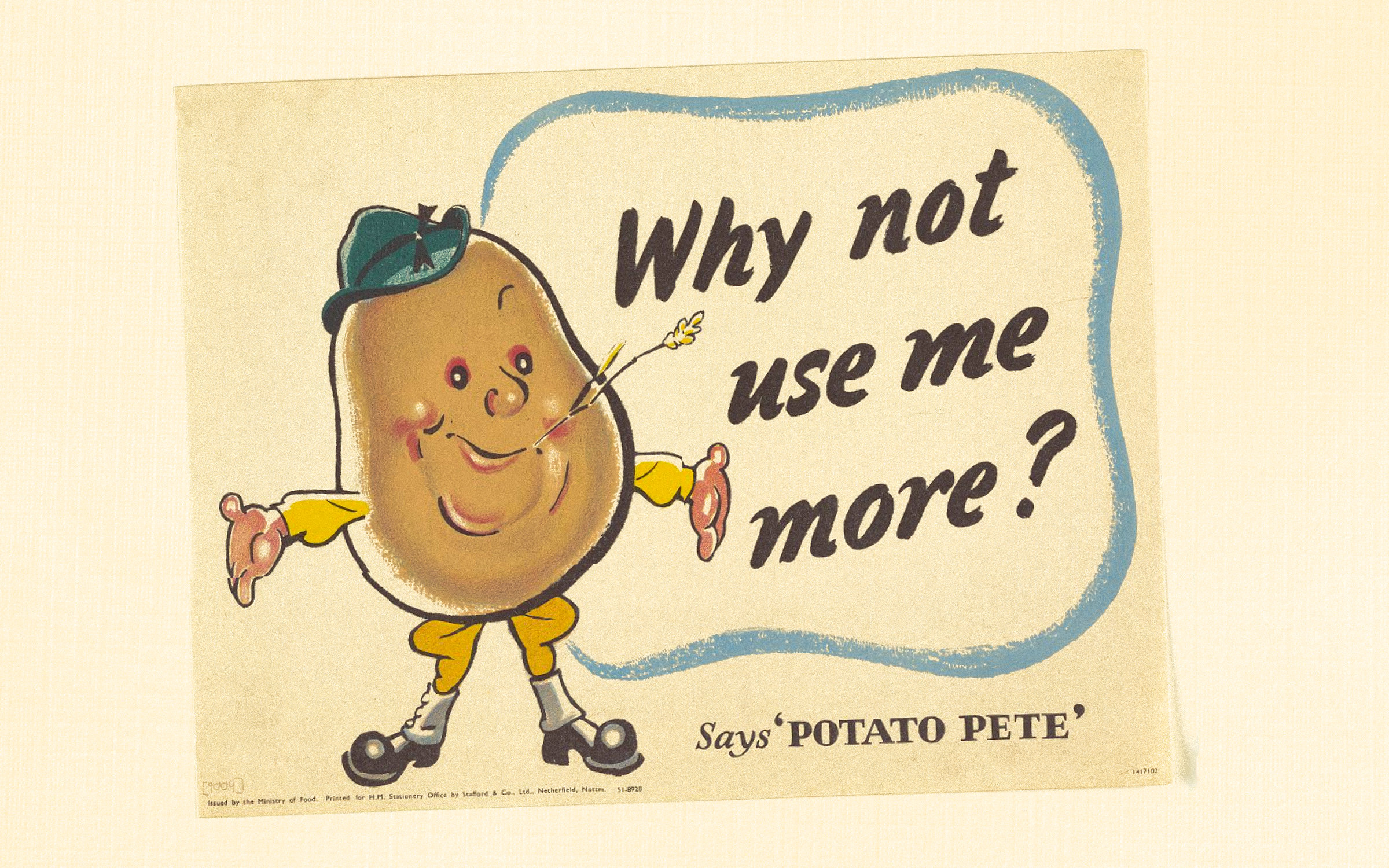
Don’t get me wrong – I love potatoes. Any type of potato is fine by me, but I have to admit that even I’d begin to find a never ending diet of mash, chips and roasties a little dull. So, to prevent people getting too bored, the government created the not at all creepy character Potato Pete – a cheeky, slightly pervy potato cartoon who they hoped would appeal to housewives everywhere.
Why are your eyes so red, Potato Pete?
Potato Pete even came with his own potato recipe book, complete with brightly coloured pictures of him spouting out catchphrases, or linking arms with delighted and presumably lobotomised human women who skipped off giddly into the sunset with him, a potato.
Who knew the pied piper of housewives was a potato?
Making Surprise Potato Balls
One of the recipes in Potato Pete’s recipe book is for Surprise Potato Balls. The writers of the booklet did at least have the wherewithal not to call them Potato Pete’s Surprise Potato Balls, but I still found them hilarious, because I have the sense of humour of a ten year old.
They were straightforward enough: mashed potato with grated carrot and parsley, rolled into balls. I peeled the potatoes, which was a mistake because the ministry actually encouraged people to eat the skins to minimise waste.
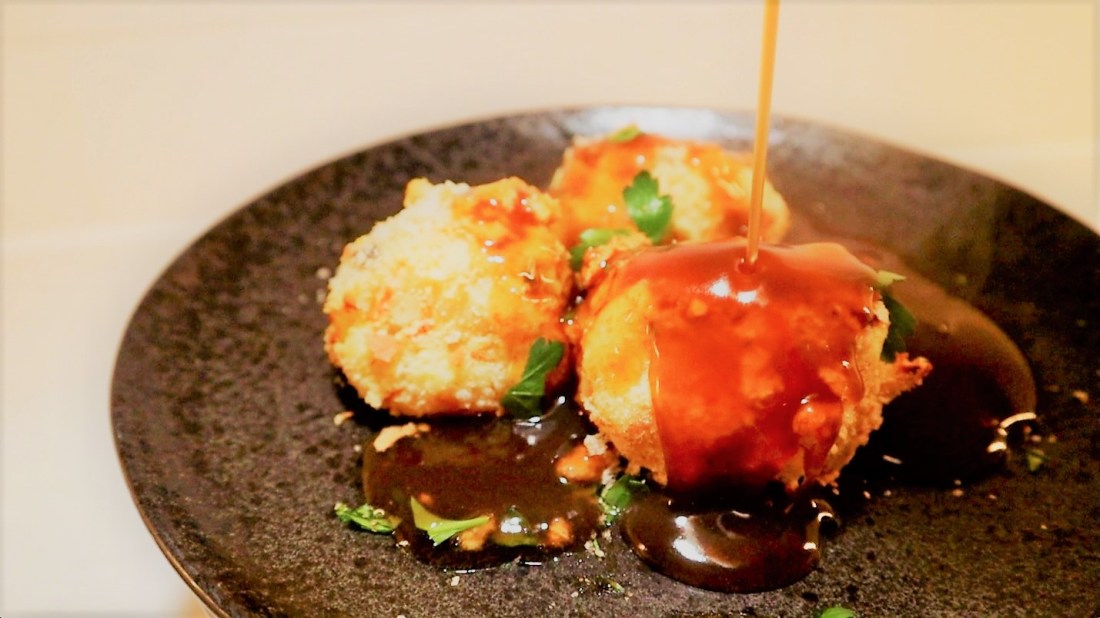
One the balls were done, each one was filled with a teaspoon of Branston pickle and then rolled in breadcrumbs and baked for 15 minutes.
The surprise was obviously meant to be the shot of sweet and tangy chutney, but in reality it was how underwhelming these were. I’m not sure what I expected, it being a wartime recipe and all, but the potato was extremely bland. The recipe had said to use milk only if it was absolutely required, which it wasn’t, so I hadn’t. There was no butter or margarine included. This meant that the flavour was quite lacklustre and a little watery.
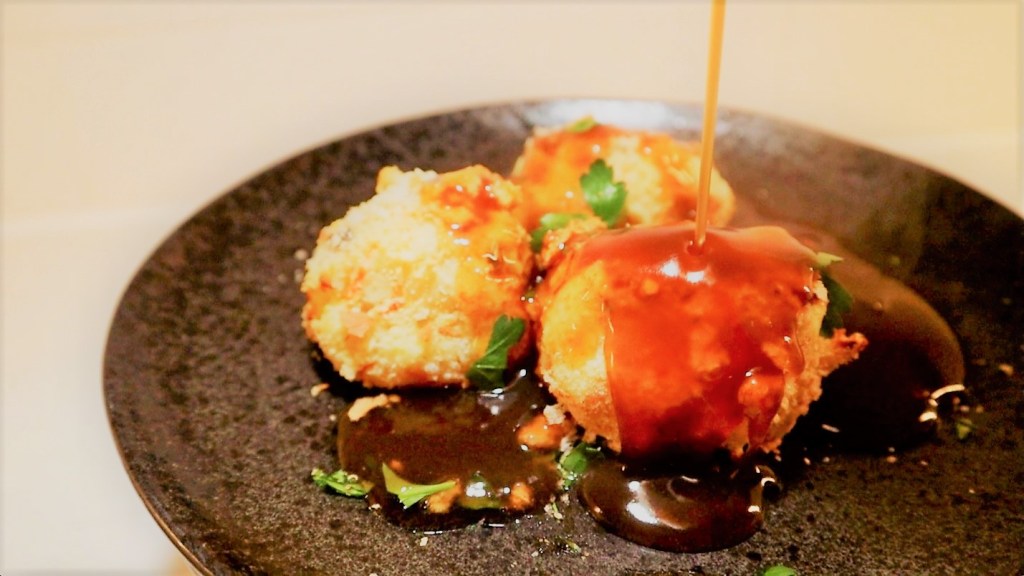
I served the potato balls with brown gravy (another war time staple, for fashion reasons as much as culinary ones) and the whole effect was of a meal of filling, hot, beigeness. And I suppose that was the point: war was not luxurious. People were making the best of what they had and if a meal could manage to fill you up without tasting outright awful then that was cause to stick it in a recipe book and encourage others to try it.
Potatoey, gravy, chutney goodness.
If you’d like to see Potato Pete’s Potato Balls in full swing (gross) then head over to YouTube where you can watch me make these.
Today’s experiment is for those who enjoy the sweeter things in life. Quite literally, because if you eat too much of this recipe your teeth will melt and fill the leftover indents in your gums with brown tooth-and-sugar sap which will eventually dribble down your chin and onto your chest, ruining your favourite shirt.
Quite an image.
I’m only half joking, too. No, there isn’t some sort of bone dissolving ingredient – but the recipe is about 75% sugar, so you have been warned: eat in moderation.
I bought Sam Bilton’s book First Catch Your Gingerbread late last year and have wanted to do something gingery ever since. If you haven’t got it yet, you should; it’s a really thoroughly researched, well written and accessible read which covers the history of gingerbread not just in Britain but the rest of Europe as well as Asia too. Plus it has loads of recipes to try out, from sweet to savoury and modern to ancient. Most of the info for this post comes from her, so thank you Sam!
When did people start eating ginger?
I don’t have an answer to that.
In fact, I’m not sure anyone does really. Ginger has been used in food for millennia: the Romans had a dish called tractomelitus which was a paste of honey and ginger and could be used in sweet and savoury dishes. Apicius, the 1st century writer, also lists ginger among the spices that should be kept in every kitchen store cupboard, along with myrtle berries and Indian spikenard (I don’t know why I’m telling you this; I’m sure these are everyday staples for all of us, right?)
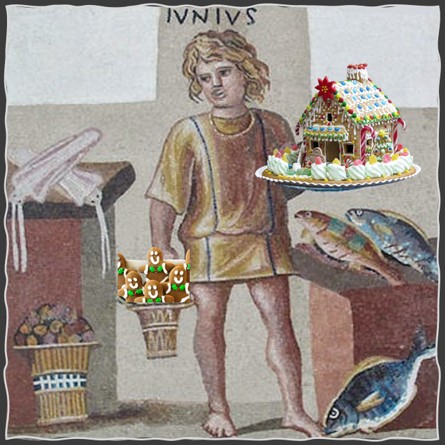
As well as aqueducts and roads, the Romans also popularised gingerbread men and candycane houses.
Ginger was also used in medicinal remedies. According to ancient Greek thought, the body was made up of four humors: black bile, yellow bile, phlegm and blood. Sickness was caused by one of these humors becoming unbalanced, and there were certain foods that could redress the balance because they stimulated the production of specific humors. Galen, the 2nd century physician who developed the 4 humor theory, stated that ginger could help reduce the amount of phlegm in the body, for example.
Ginger was thought to increase the amount of blood in the body. This isn’t a completely illogical conclusion to make; being hot and spicy, fresh ginger could cause the skin to flush slightly red when eaten raw. And, because the human mind has always loved the gutter, people throughout time have associated this physiological reaction to carnal attraction. Yes, ginger earned its place as an aphrodisiac fairly early on; the 1st century Persian physician Avicenna recommended mixing ginger and honey into a thick, sweet paste as a cure for impotence and by the 13th century the intriguingly named “Sultan’s Sex Potions” by Nasir al-Din al-Tusi included a ginger-based recipe to “strengthen the sperm and invigorate[s] intercourse.”
Okay, but what about the origins of gingerbread?
You’re not going to like this either, but yet again, I have no answer.
That’s partly down to etymology. The word ‘gingerbread’ isn’t to do with baking; our English word has roots in Old French gingebras which has roots in Latin zingebra: ginger – nothing to do with bread at all. Even more confusingly, once we had the word ‘gingerbread’ it wasn’t used as a description for one specific type of food, but rather alluded to any kind of preserved ginger treat: cakes, biscuits, sweets, pastes and sugarwork. Finally, and just as confoundingly, some of the earliest gingerbread recipes we have don’t contain any ginger.
A 14th century recipe for gingerbread in Curye on Inglysch gives a delicious recipe using breadcrumbs and honey – but is conspicuous in its omission of ginger. Similarly, a 15th century manuscript for ‘Gyngerbrede’ includes spices such as saffron, pepper and cinnamon – but again, no ginger.
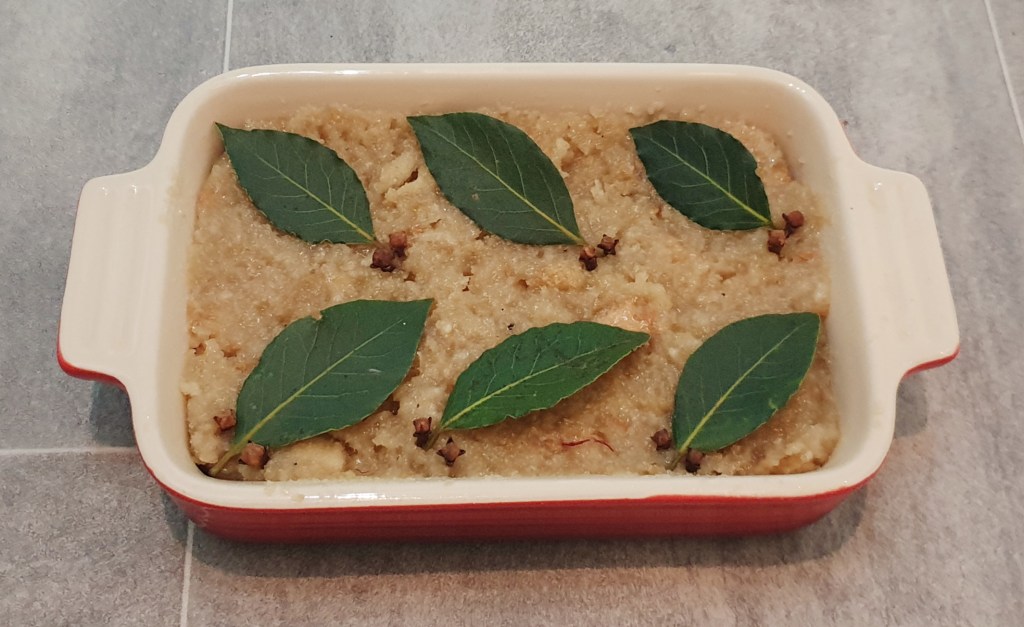
My very first historical cooking experiment was the ginger-less gingerbread in Forme of Cury. Modelled here on my kitchen floor. Ah, the early days!
These recipes (as well as others that contained ginger) were often made in large slabs which then sliced into strips or lozenges, rather than baked as individual cakes. In fact, they often weren’t baked at all, meaning that the texture was a sticky, treacle-tart like consistency rather than a hard biscuit.
Some gingerbreads were more like sweets – a 14th century recipe for ‘Pynite‘ (pine nut tarts) has a ‘gingerbread’ filling which is essentially a toffee made from honey and spices.
By the 16th century, banquets had become fashionable for the rich. Contrary to every historical film where Henry VIII tears into chicken legs with his bare hands and rich ladies bat their eyelids over plates of unidentified meat, banquets were sweet-only affairs and referred to a particular course rather than the entire meal itself. These sugar banquets, laden with marzipan constructions, candied fruits, crystallised flowers and sugared nuts, were an opportunity to demonstrate the skill of the household cooks as well as the vast wealth of the host.
Why ‘white gingerbread’? Can you answer that at least?
Yes!
It’s at banquets that we find the type of gingerbread I’ve attempted here. By the 16th century there were two main types: red gingerbread (often a dough like mixture containing breadcrumbs) and white gingerbread (a marzipan/sugarpaste combination). Red gingerbread included sandalwood which gave it a deep red colour, whereas white gingerbread used the whitest sugar a cook could source, hence the name. Today’s experiment, which is in the 1591 work A Book of Cookrye by the anonymous ‘A.W.’ is of the white variety.
To make White Ginger Bread
Take Gumma Dragagantis half an ounce, and steep it in rosewater two daies, then put thereto a pound of sugar beaten and finely serced, and beate them well together, so that it may be wrought like paste, then role it then into two Cakes, then take a fewe Jordain almonds and blaunch them in colde water, then dry them with a faite Cloth, and stampe them in a morter very finely, adding thereto a little rosewater, beat finely also the whitest Sugar you can get and searce it. Then take Ginger, pare it and beat it very small and serce it, then put in sugar to the almonds and beat them togither very well, then take it out and work it at your pleasure, then lay it even upon one of your cakes, and cover it with an other and when you put it in the mould, strewe fine ginger both above and beneath, if you have not great store of Sugar, then take rice and beat it small and serce it, and put it into the morter and beat them altogither.
A Book of Cookrye, ‘A. W.’
Making 16th century gingerbread
First of all, I was surprised to see that gum tragacanth was used. I’d only seen it in the specialities section of supermarkets with the likes of glycerin and had therefore assumed it was a relatively modern invention. Perhaps in its highly refined powdered form it it, but it appears the Tudors were well aware of gum tragacanth and its benefits to sugar modelling.
Truth be told, I wasn’t sure what it did. A quick Google threw up some worrying results to do with leatherwork and cigar-making and I almost backed out of this experiment. Once I read a few more pages I saw that as well as being used for some pretty macho activities, gum tragacanth was also used in cake decorating to make sugarpaste more elastic and malleable.
It’s likely that the gum tragacanth used in the recipe was in a more solid form than the fine white powder I had, hence the instructions to leave it steeping in rose water for two days, presumably to soften it. As it was, I ended up leaving my powder to absorb some rose water for 1 day, by which time it had swollen to breadcrumb sized granules and could be pressed into a hard paste with the back of a spoon.
Dried gum tragacanth (Sainsbury’s didn’t stock this so I had to use powdered instead.) Credit here.
The sugar paste was very straightforward and identical to the kind of sugar paste you get on Christmas cakes (only, ironically, without glycerin – have I used ironically correctly? Probably not.) Once it was made I split it in two and sandwiched a delicious paste of ground almonds, icing sugar and fresh ginger between the two halves. Then it was time to set it in a mould.
Gingerbread moulds were an artwork in themselves. Often quite large, intricate and carved from wood, they would be left by the fireplace to allow the gingerbread inside to set. This presented me with two main problems: one, I didn’t possess a large, intricate gingerbread mould and two, I didn’t have a fire.
Imagine biting the head off one of these.
Always resourceful, I shaped my gingerbread in what I did have: a silicon cake tin, shaped like a dinosaur. I think it was a Stegosaurus. Instead of a fire I popped it into my boiler cupboard and left it to dry out over a day or two. Hey, it wasn’t authentic but I got points for effort.
Once it had completely dried out I turned my gingerbread out and daubed it with edible gold paint. Tudor sugarwork, including gingerbread, was impressive not just because of the fiddly shapes, but because they were often beautifully gilded with gold leaf and suchlike. Once I was finished my steggy shone like the regal gingery reptile it was.
Before and after I sawed him in half.
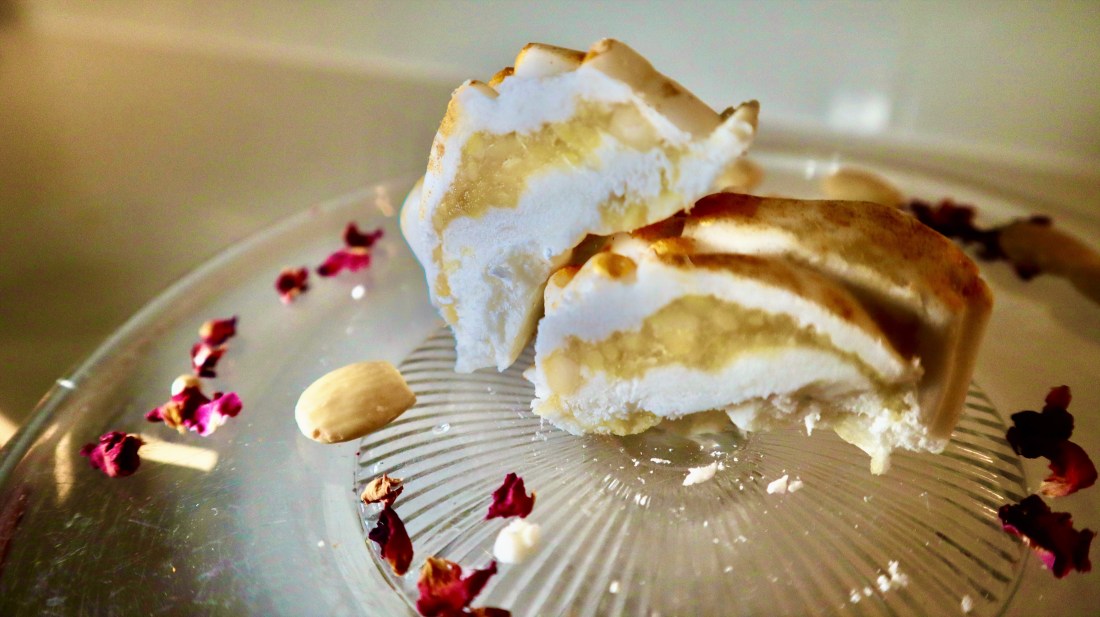
And there it was! It looked great and tasted good too. The icing shell was toothachingly sweet (and perhaps a tad too thick) but the filling was amazing. Fresh ginger and creamy almonds combined well to make a tangy, punchy frangipane like filling that I could have eaten all day. As it was, the block I made was too large for one person to finish in one sitting, but these could work well in smaller sizes – perhaps made in chocolate moulds.
If you don’t feel you’ve wasted enough of your time reading through my nonsense and have another 10 minutes you never want back, why not head over to my Youtube channel to have a look at the process in full glorious technicolour?
E x
White Gingerbread
100g or 1/2 cup icing sugar (plus an extra spoonful) 25g or 1/8 cup blanched almonds A medium piece of ginger (about the size of your thumb.) Teaspoon of rose water Teaspoon gum tragacanth 50ml or 1.6 fl. oz. water
Put the gum tragacanth in a bowl and add half of the rose water. Leave it to sit for 12 – 24 hours to allow the tragacanth to absorb all the rose water.
After the tragacanth has absorbed the rose water, sieve the icing sugar into a bowl and add the water and tragacanth. Knead to a solid, smooth ball of icing.
Grind the almonds in a pestle and mortar. Transfer to a bowl.
Peel the ginger and crush it to a pulp in the pestle and mortar, along with the remaining rose water.
Combine the ginger and almonds and add a spoon of icing sugar and combine to form a stiff paste.
Split the icing ball in two and roll out into two discs.
Spread the almond paste on one of the discs and then place the other disc on top, sealing them together.
Push the gingerbread into a mould and leave to set in a dry place for 24 hours or until it has gone hard.
Turn out and decorate with edible gold or whatever you fancy.
Today’s experiment is something that I’m sure homeschool-weary parents all over the country will be interested in, because it involves alcohol. Beer, actually.
Not just any beer either – 4000 year old beer.
Okay, fine: technically it’s not 4000 years old and technically it’s not what we would recognise as beer, but hey – it’s as good a hook as any.
After a previous semi-successful foray into ancient beer brewing, I decided to give it another shot. This time I wanted to tackle the oldest ‘recipe’ for beer that historians know of, which is found in the 1800 BC Sumerian poem Hymn to Ninkasi.
Given birth by the flowing water ……, tenderly cared for by Ninhursaja! Ninkasi, given birth by the flowing water ……, tenderly cared for by Ninhursaja!
Having founded your town upon wax, she completed its great walls for you. Ninkasi, having founded your town upon wax, she completed its great walls for you.
Your father is Enki, the lord Nudimmud, and your mother is Ninti, the queen of the abzu. Ninkasi, your father is Enki, the lord Nudimmud, and your mother is Ninti, the queen of the abzu.
It is you who handle the …… and dough with a big shovel, mixing, in a pit, the beerbread with sweet aromatics. Ninkasi, it is you who handle the …… and dough with a big shovel, mixing, in a pit, the beerbread with sweet aromatics.
It is you who bake the beerbread in the big oven, and put in order the piles of hulled grain. Ninkasi, it is you who bake the beerbread in the big oven, and put in order the piles of hulled grain.
It is you who water the earth-covered malt; the noble dogs guard it even from the potentates (?). Ninkasi, it is you who water the earth-covered malt; the noble dogs guard it even from the potentates (?).
It is you who soak the malt in a jar; the waves rise, the waves fall. Ninkasi, it is you who soak the malt in a jar; the waves rise, the waves fall.
It is you who spread the cooked mash on large reed mats; coolness overcomes ……. Ninkasi, it is you who spread the cooked mash on large reed mats; coolness overcomes …….
It is you who hold with both hands the great sweetwort, brewing it with honey and wine. Ninkasi, it is you who hold with both hands the great sweetwort, brewing it with honey and wine.
1 line damaged: You …… the sweetwort to the vessel. Ninkasi, ……. You …… the sweetwort to the vessel.
You place the fermenting vat, which makes a pleasant sound, appropriately on top of a large collector vat. Ninkasi, you place the fermenting vat, which makes a pleasant sound, appropriately on top of a large collector vat.
It is you who pour out the filtered beer of the collector vat; it is like the onrush of the Tigris and the Euphrates. Ninkasi, it is you who pour out the filtered beer of the collector vat; it is like the onrush of the Tigris and the Euphrates.
Ninkasi was the Sumerian goddess of beer and brewing. Since beer was an absolutely vital element to everyday life as well as the drink of the gods, it’s likely that she was pretty highly revered.
Hymn to Ninkasi, the song she’s best known for (or as well-known as an ancient Mesopotamian goddess can be) is a cross between a poem and an instructional manual. The formulaic nature of the poem has led scholars to argue it was intended to be said aloud, perhaps as an aid to teach brewers the correct steps needed to make a perfect batch of beer.
Although the poem dates to 1800 BC, the brewing process it documents may well be older. Paul Kriwaczek argued that the techniques within the poem were actually in use about 1000 years before 1800 BC which supports the argument that the poem was originally an oral song which was written down later.
You thought a pint was a large serving size? The Sumerians drank from vases…
Sumerian beer: what do I need to know?
Making the beer was a pretty involved process. Don’t try this if you’ve only got a day or two spare – you’re going to need to check up on various elements of the beer every day for just under a week!
Because the poem was a little vague (to say the least…) I ended up having to make up guess a few of the steps. Luckily I had stumbled across the Cuneiform Digital Library Journal, which had this brilliant article by Peter Damerow breaking down some of them.
According to him, the early Sumerians had at least 9 types of beer, which developed as the period went on. By the middle of the 3rd millennium BC cuneiform tablets mentioned characteristics of beer, such as “golden”, “dark” and “sweet”. Early wine critics, if you like.
However, there’s one ingredient that stands out in Sumerian records: bappir. The true meaning of this term has been lost and caused scholars a lot of debate. Some think it refers to a type of bread which was added to the beer before the fermentation process. Others think it was a byproduct of the beer, which was then reincorporated to future brews. Regardless of how it created, my understanding of it (based on a frantic internet search) was that it was some sort of barley dough/grain mixture which contributed to the mash.
The symbol for bappir was show in Cuneiform tablets as two signs inscribed on top of one another – one representing barley and one representing a beer jug (𒋋).
This led to bappir being known as ‘beerbread’, but Damerow suggests this term may be misleading. For one thing, the term bread implies it was edible or at least similar to other breads, which it wasn’t. Secondly, whenever bappir appeared on records it wasn’t listed like other breads (i.e. in quantities), but appeared as if it was grain (i.e. by capacity.)
Was bappir less of a bread and more of a grain? I had no idea and to be honest was quite out of my depth. As a no-win compromise, I decided to bake my bappir like a bread and then immediately break it up afterwards like a grain, before adding it to water to create a cold mash.
Mash? As in sausage and…?
As someone who has no experience of brewing, I found I’d been thrust into a world of new words and confusing terminology. Mash, wort, malt – what did they all mean?
My basic understanding of it is that mash is the liquid you get when you add grains to water. Usually this is heated to a specific temperature to let the sugars do some enzym-y mojo and break down, after which you can add yeast and begin the fermentation process.
The trouble was the poem wasn’t clear about the mashing process. The line “the waves rise, the waves fall” may allude to the mashing process and the addition of water to grain, but there was no mention of heat, although later lines reference a cooling the mixture. This raised the possibility that two types of mashe were used: a hot mash, as is standard today, and a cold mash – where grain is added to cold water and left to sit, unheated, for a few hours.
I began some research into cold mashes to see how I should begin. An online beer forum told me that after the cold mash had been completed it needed “sparging”.
Okay, not to panic, that’s what Google was for, I thought. I typed in “what the hell is sparging” and waited.
“Sparging is a part of the lautering process…”
I started again: “What is the lautering process?”
“The lautering process consists of three steps: mashout, recirculation and sparging.”
I took a quick break from research to scream into a pillow.
In the end I decided to refrain from getting too technical, arguing that the Sumerians were hardly likely to worry about exact temperatures and processes. I split my beer into two mashes – a cold one and a hot one – to cover all bases and after both mashes had competed their individual mashing (no idea if that’s the right term) I combined them.
Making the beer
Making the beer was a long, fun, messy process. If you fancy seeing how it was done (and what it tasted like) then give the video below a watch and please consider boosting my already over inflated ego by subscribing to my YouTube channel.
Yesterday was pancake day – a day as good as Christmas, if not better.
Think about it: there’s no wrapping or unwrapping to be done. There are no strange men clambering down your chimney to judge you for being bad or good. Most importantly – for me, at least – there’s a distinct lack of glitter or loud toys for my daughter to rip into and play with for hours and hours.
Instead there’s just warm pancakey goodness. Topped with sugar and lemon (the only acceptable way to eat them, in my not-so-humble opinion), or golden syrup, pancakes are one of my favourite foods and pancake day is one of the best days of the year.
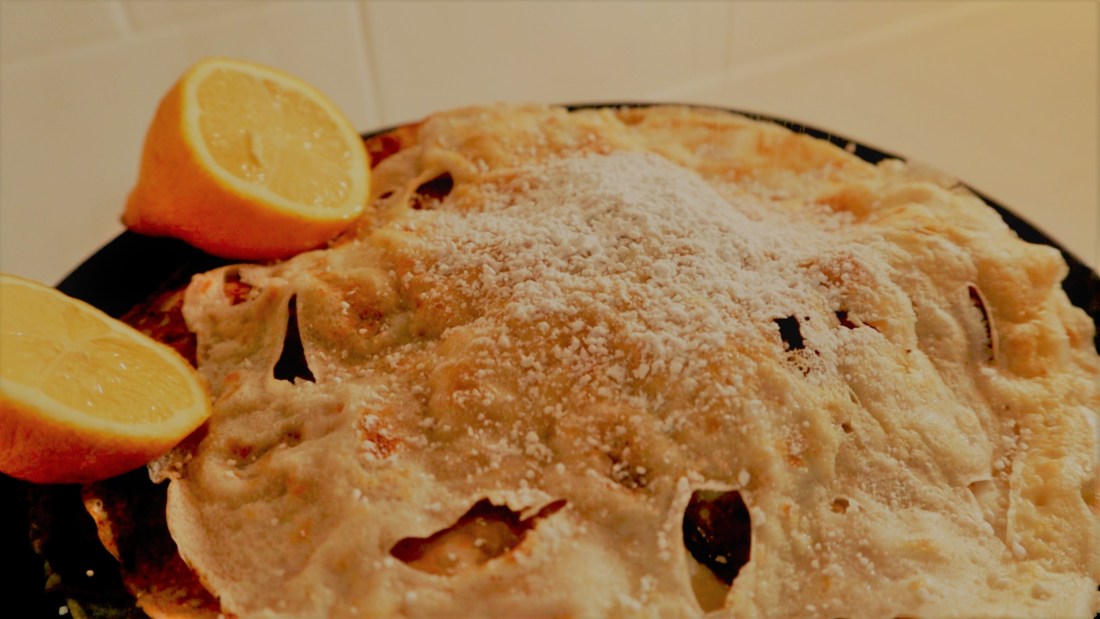
This year I tried a new type of pancake – a 19th century recipe that used snow instead of eggs. I managed to collect a bowl of (clean!) snow from the garden before it melted away and spent a day experimenting. In another twist I videoed my experience, which you can watch below if you have nothing better to do with your time.
Don’t worry, fans of the written word (and fans who can put their love of the written word to one side in order to support this blog), I’ll still be writing. I’ll probably write about food history a little more often than recipes, but the odd one may slip in occasionally.
In the meantime, enjoy my dulcet tones and enjoy any leftover pancakes!
Last week I wrote about aphrodisiacs, which was a fun pre-Valentine’s date-night foray into the type of food history I don’t usually do. If, however, your ideal date night ends with you deboning something instead, perhaps today’s offering will be more suitable…
(I’m not sure I can get away with that joke. Sorry, mum.)
Cannibalism is a topic that seems to interest a lot of people; there’s a whole Wiki page dedicated to ‘cannibalism in popular culture’. Not to mention an entire horror movie subgenre called ‘cannibal films’. I haven’t seen any of them because I’m still recovering from watching Shaun of the Dead, which puts my tolerance for horror at roughly that of a seven year old child. Nevertheless, I remain very intrigued by this topic.
Is it technically food though? Not to get too Merriam-Webster about it, but the dictionary counts food as “any nutritious substance that people or animals eat or drink or that plants absorb in order to maintain life and growth.” In some circumstances, such as the ones I outline below, I think some forms of cannibalism can be seen through a food lens.
Er, would now be a good time to ask how your husband is?
He’s delicious. Sorry, I meant fine. He’s fine.
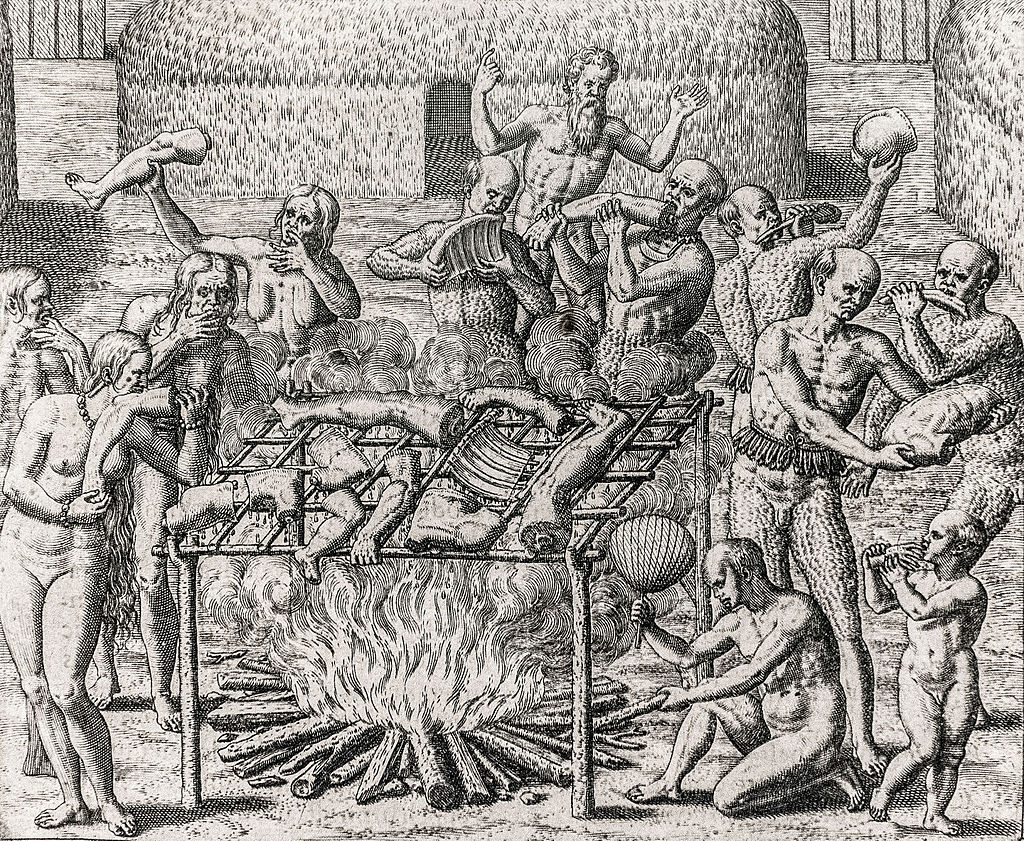
The word ‘cannibal’ comes from the Spanish word for an indigenous West Indies tribe called the Carib, who practised it. Incidentally, we also get the word barbeque from the Carib tribe too.
Girolamo Benzoni’s La historia del Mondo Nuovo. Credit here.
It’s when people begin to slap terms on the practice of eating other people – especially when one civilisation uses the name of another to describe it – that things get messy. Messier.
And that’s because a lot of the earliest accounts of cannibalism are exaggerated. Herodotus wrote about cannibalism being practiced by a tribe called the Androphagi in his 5th century BC work TheHistories. He describes them thusly:
The Man-eaters are the most savage of all men in their way of life; they know no justice and obey no law. They are nomads, wearing a costume like the Scythian, but speaking a language of their own; of all these, they are the only people that eat men.
He was also not one for telling the truth. Many of his accounts in Histories – especially when concerning other civilisations than Greece – are exaggerated, vilified or just plain made up. So whether or not the Androphagi were truly ‘savage men eaters’ is up for debate.
Well what about later accounts?
Unfortunately it seems hardwired in humans to appreciate a good story over accurate history.
Many early-modern European accounts of cannibalism are also wildly exaggerated. They’re stories travellers brought back to make themselves seem more heroic and to make whatever violent acts they committed seem less serious. Think about it: if you’re a 15th century explorer retelling the story of your travels to your kid what would sound better? “I burned a civilisation to the ground and stole its riches for no other reason than greed and the hope that the queen would bang me” or “I destroyed a monstrous community of cannibals while also furthering our economy in the hope that the queen would bang me.”
Probably neither is appropriate for small children, but you get the picture.
Isabella of Castile patronised Christopher Columbus’ voyage to ‘discover’ America – much to the surprise all the people already living there.
That’s not to say that some civilisations weren’t cannibals, by the way, just that accounts of their desire for human flesh and how often they actually consumed it were misrepresented. Actually, (just to confuse things further) sometimes these civilisations, when they came into contact with Europeans, exaggerated stories of their cannibalistic ways to appear fiercer or just for their own amusement.
My point is, it’s not possible to take every early European account of cannibalism at face value.
No-one expects the Spanish… conquistadors.
Perhaps the most famous civilisation to practice cannibalism was the Aztecs (here referring to the Mexica people of Tenochtitlan – now Mexico City.)
The Spanish conquistador Bernal Díaz del Castillo fought alongside Hernán Cortés to destroy the Aztec Empire in Mexico during the 16th century. His account of what he saw there is perhaps one of the biggest pieces of pro-Spanish/anti-Aztec racist propaganda there is, but also shows how gripping these kinds of tales were to people.
Indeed hardly a day passed by that these people did not sacrifice three or four Indians [Aztecs], tearing the hearts out of their bodies to present them to the idols and smear the blood on the wall of the temple. The arms and legs of these unfortunate beings were then cut off and devoured, just the same way we should fetch meat from a butcher’s shop and eat it: indeed I even believe that human flesh is exposed for sale cut up, in their markets.”
Castillo also talks about how the Aztecs cooked people with “the salt, the pepper and the tomatoes.” The idea of Aztecs selling human at meat proto-farmer’s markets alongside artisan cheeses and homemade jam might have been fabricated, but that they ate people definitely wasn’t. Archaeologists have found butcher marks on human bones along with scorch marks to suggest roasting and even staining that shows the meat was cooked with certain spices. Fun fact: Castillo’s gory cannibal recipe is also the first recorded Western recipe that uses tomatoes.
“Human legs! Get your human legs, only £2 per kilo!”
Del Castillo was at least honest about his reasons for being in Mexico; he admitted that it was to “serve God and also to get rich or die trying.” And so he always links cannibalism with heathenism (which must be eradicated) hoping that people will see a connection between the two.
Culture or survival?
Del Castillo’s account of Aztec cannibalism reads as though it was an everyday part of their culture and religion. But was it purely ritualistic?
Well, no.
It’s true that cannibalism was practiced as part of ceremonies and rituals but, according to author and historian Tom Nealon, one other reason for it might come down to a good old fashioned Malthusian threat.
Basically this is the principle that suggests that sudden population growth will eventually lead to disastrous food shortages, ultimately ending in famine and extinction unless something stopped it. Usually this would be something like a war or the development of really tip-top birth control but in this case it might also have been… eating people.
Combine a nutritionally-unstable diet with a deeply hierarchical and rapidly growing society where no-one questioned the leader (and add in a few vengeful Gods who could only be appeased through human sacrifice) and you have near-perfect conditions for cannibalism.
In the end it boils down to this: if you’re going to sacrifice someone to please the gods, and there was the constant risk of food shortages, you’re kind of going to end up eating people because, well, waste not want not.
If you and your friends were trapped on a desert island, who would you eat first?
It’s a game we’ve all played before (haven’t we?) If you were trapped with your friends and nearing starvation would it be better to eat Toby (whose dedication to the gym could make for some pretty juicy burgers), or Sarah (whose over-enthusiastic use of peach body spray might give a fruity picancy to kebabs)? Choices, choices…
Cannibal survival stories are very common. Distressingly so. I cover the Donner Party with my GCSE groups and we often spend time picking apart the survivor accounts and discussing the perils of the journey to west America in the 19th century. For those that don’t know, the Donner party was a group of American pioneers who travelled westwards to California in 1846. Unfortunately they ended up stranded in the Sierra Nevada mountain range halfway through their journey. In freezing conditions, with winter setting in, they had no option but to stay put in an inhospitable territory and, as the days turned into weeks and months, eventually resorted to cannibalism to survive.
Patrick Breen, a member of the Donner party, wrote in February 1847 “Mrs Murphy said here yesterday that thought she would commence on Milt & eat him. I don[‘]t that she has done so yet, it is distressing.”
It’s a theme echoed in the horrific accounts of the 1972 Andes flight disaster, which saw survivors of a plane crash in the Andes resort to the cannibalism of their dead friends and relatives in order to stay alive.
But rather than just retell these well-known events I want to talk about another survival story, one that often gets overlooked.
The case of the hungry sailors and the unfortunate cabin boy
In 1884 the yacht Mignonette set sail from Southampton, England to Sydney, Australia. There were four men aboard: Tom Dudley, Edwin Stephens, Edmund Brook and Richard Parker.
About two months after setting sail disaster struck and a wave partially destroyed the yacht. The captain – Tom Dudley – ordered the crew into the lifeboat.
“That’s it: the more the merrier. We can get a really good stew going now.”
They survived for about two weeks by eating tins of turnips, the carcass of an unfortunate turtle, and by drinking their urine. By the third week 17 year old Richard Parker was slipping in and out of consciousness, possibly due to extreme dehydration.
The other men now faced a choice: die of dehydration themselves or kill Parker and drink his blood. When Stephens protested, Dudley reportedly responded “the boy is dying. You have a wife and five children and I have a wife and three children. Human flesh has been eaten before.” Nice.
Parker was killed on around the 25th July and his blood was caught in a chronometer case and passed between the three men to drink. They (a bit weirdly, I think) then chose to eat his heart and liver straight away, saving bits of his arms and legs for later.
On the 29th July – only 4 days afterwards – they were saved by a German ship. Interestingly this ship was called the Moctezuma, named after a famous Aztec leader who was himself a cannibal. Funny, right? I mean probably not for poor Richard Parker, but he got the last laugh when Yan Martel named the tiger in his novel Life of Pi after him (the novel also touches briefly on the idea of cannibalism.)
The men were pretty honest about their actions and almost as soon as they arrived in England they were put on trial to find out whether or not they had committed an unforgivable murder or whether their need to survive – their need for food – was an acceptable excuse to kill and eat someone.
The case – Regina v Dudley & Stephens, as it was known – was a huge case at the time, despite being a total shambles.
Firstly, the judge basically instructed the jury to find them guilty saying that the law “could not recognise necessity as justification for killing”.
But the jury wouldn’t find Dudley and Stephens guilty. So the case was moved to a higher court where a panel of 5 judges found the men guilty. The men were sentenced to death but the Home Office intervened and reduced the sentence to six months imprisonment – a pretty huge climb down if ever there was one.
Ultimately though, the verdict wasn’t overturned. The Home Office agreed with the courts that despite the men’s argument, the killing of Richard Parker could not be deemed a defence of necessity. Notice here that it’s not the cannibalism that the judge had the biggest issue with, but the killing of the boy in order to eat him. Had they waited until he was already dead, perhaps the verdict would have been different. But perhaps they would have been dead by then too. Choices, choices indeed…
Is anyone else getting hungry?
And this is where I’ll leave it for today.
I’ll do a future post on cannibalism in mythology because that’s where things get really crazy, but it seemed sensible to start with the stuff that actually happened first.
For now, I seem to be overcome with desire for fried liver with a nice chianti. Or even better: steak tartare with salt, pepper and tomatoes. Bon appétit!
Have you ever felt like your love life could do with a little bit of a boost? Like you’re still banging on about that time in year 6 when the popular kid accidentally brushed their hand against yours? (Later, he said my fingers were “sort of wet, like slugs”; I’m still waiting for him to call.)
Well, fear no more you loveless lot! For today I’m delving into the world of aphrodisiacs: foods that can apparently increase a person’s ‘natural abilities’ in the bedroom.
How long did it take you to come up with that title?
A long time, alright?
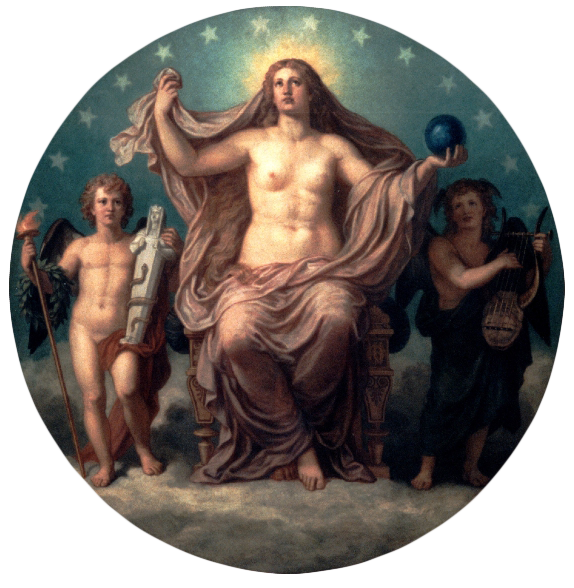
The word ‘aphrodisiac’ wasn’t invented until the 17th century when people realised they couldn’t keep describing asparagus and chocolate as “sexy time food” because it sounded stupid and lo, the word ‘aphrodisiac’ was invented, named after Aphrodite – Greek goddess of love, lust and all things sensual.
It’s probably worth noting at this point that there’s no evidence to suggest food can actually increase a person’s libido. Some people believe that alcohol might help, but – to quote Shakespeare – alcohol provokes desire but takes away performance. Hardly the sexiest of outcomes.
But a lack of scientific evidence hasn’t done anything as sensible as stop people believing in aphrodisiacs. It might be chocolate covered strawberries now, but people throughout history have tired all kinds of strange and wonderful foods to get them in the mood, and I’m going to look at (but not try, thanks very much) three of them today.
Ancient Greece: Humourous Veg (in more ways than one)
We’re starting with ancient Greece because their goddess Aphrodite so kindly lent her name to the concept of aphrodisiacs. Aphrodite’s origin story could be an entire topic in its own right; it’s got violence, incest and magic – it’s basically Game of Thrones for classicists.
“I swear to God, Brian, if you get that chord wrong one more time…”
Essentially, Aphrodite was created out of sea foam after Cronos, a divine giant with one hell of a grudge, cut off the genitals of his own father Uranus and absolutely booted them into the sea – as you do. In fairness to him, Uranus had eaten all his brothers and sisters in a sort of paranoid frenzy… but still – ouch.
Even detached, Uranus’ bits and bobs were still very powerful and they fizzed around in the ocean for a bit. Eventually from the sea foamy fizz Aphrodite arose – beautiful, divine and somehow completely untraumatized.
People in ancient Greece prayed to her about carnal matters and issues of love. There were many temples and sects dedicated to her and one at Paphos ordered new initiates to give the priest goddess money in exchange for some sea salt, a phallus and instructions “on the art of intercourse.”
I have no idea what was in the instructions, but it’s possible they contained recipes and remedies to help performance. This wasn’t a new concept – ancient civilisations had been experimenting with food in the bedroom for thousands of years and documenting their (presumably quite sticky) findings. One of the first documented records comes from a 2000 year old Hindu system of medicine called The Shushrata Samhita. It suggests taking remedies – called Vajikarana – such as sweet and refreshing fruit to restore a man’s virility.
The Greeks enjoyed a fruity pick me up as much as the next person but they also appreciated vegetables. Specifically onions, garlics and leeks which, when eaten raw, had a pretty potent kick to them but also apparently reminded people of certain body parts.
Just in case you don’t know what an onion looks like
But just being shaped in a funny way wasn’t enough. Bring a leek to bed and it’s a good time for everyone, but try and introduce a cucumber…?
And that’s because Greek aphrodisiacs weren’t just ideas they pulled out of thin air. They were based on the science of the time. Essentially, many Greeks believed in the 4 Humor Theory, a medical idea created by Hippocrates and developed, centuries later, by Galen. The 4 Humors were liquids that everybody had inside them: blood, black bile, yellow bile and phlegm. People’s mood and health was, supposedly, affected by how much of each liquid they had and it was believed that blood was especially important for carnal matters.
Any food that got the blood rushing or caused the skin to flush by creating a ‘hot’ feeling was therefore great for the bedroom. Foods that were very cold and wet, no matter how suggestively shaped (like a cucumber) were major party poopers and were tossed out faster than a god’s severed testicles.
Anything less smelly than an onion?
Sure – how about this recipe from the 3rd century Greek writer Metrodora:
Take the womb of a hare fried in a bronze frying pan, add 3 litrai of rose oil then mix with sweet perfume, fat, excrement of crocodile, sap of the plant scorpion, blood red sumach, honey…”
Certain herbs and flower were also symbolic of love. The red flower anemone carried significance, for example, because Greek mythology claimed its origins came about when Aphrodite’s lover Adonis died. Distraught, the goddess apparently sprinkled nectar onto Adonis’ blood and from this the flower was born.
So it’s whatever you’d fancy from that, really – onions or some sort of crocodile dung mixture possibly decorated with flowers. Take your pick.
Medieval Europe: Womb for more?
If you know anything about the medieval Church you’ll know they were big on sin. Not committing sins, obviously (although lots of priests did) but getting very high and mighty about what ordinary folk could and couldn’t do. Sex, surely, would be up there on the list of things you weren’t supposed to enjoy?
Well… during a 200 year period up to around 1200, the population of Europe more than doubled. No one can be certain but by 1500 the population of London was around 50,000 having grown from around 25,000 in 1200.
And these babies weren’t just growing on trees were they? Clearly something was causing this increase. Part of the answer, weirdly, could have been down to the Church. Because although the Church liked it if you kept your hands (and other parts) to yourself if you weren’t married, it was fine – no, a duty – for a husband and wife to have children. But the population growth wasn’t just down to married couple alone, non married and extra marital affairs accounted for many new lives too.
Sex seemed something that people were obsessed with in medieval England. There is so much erotic artwork hidden in marginalia, a good smattering of lewd poetry (hello, Chaucer) and dirty jokes that it sometimes feels like medieval people did nothing but, er, bonk?
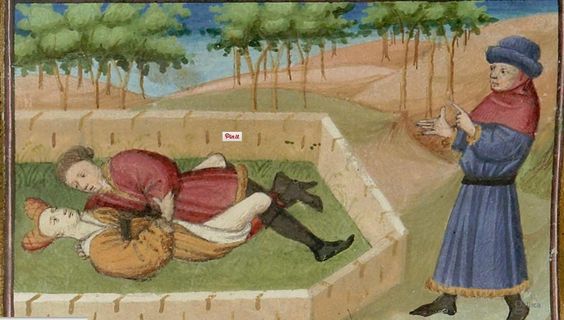
They’ve just fallen over. I’m sure they’ll pick themselves up any minute now…
Medieval aphrodisiacs
Medieval medical texts are where we find most European aphrodisiacs, although they’re not called that.
Remember at this time in Europe anything medical or religious to do with sex tended to focus on the goal of procreation, rather than offering generic advice for a good time – so the description of aphrodisiacs is often pretty to the point, and presented in a way that suggests it will help with conception. The other thing it’s probably good to understand is that during the middle ages, it was believed by many that conception could only happen if both parties enjoyed themselves fully.
What that means is that when a text discusses what food to eat to conceive a baby, it’s partly because it thought these foods would help strengthen sperm, or prep the womb or whatever, but also because it was about getting both partners in the mood; if one of them wasn’t, then no baby.
You’d expect that these foods would be appetising then. Ha.
The 12th century Old English translation of Medicina De Quadrupedibus has a couple of very un-enticing recipes to try, one of which is this:
To arouse a woman for sexual intercourse, take the testicles of a deer, grind them to dust, do a part of this in a drink of wine.”
Another famous, albeit later, medieval medical text was the Trotula. It’s less explicit in its dealings with aphrodisiacs but follows a similar line of thought to Medicina De Quadrupedibus. According to Trotula, to conceive a boy a man should take the womb and vagina of a hare, dry them, crush them into a power and then drink in wine.
“Take my womb, would you? Bastard.”
I’m going to need some alternatives to rabbit womb, please.
Well if we look outside of Europe, then things get interesting.
Unlike the Europeans, who linked sex with procreation, there are hundreds of medieval Arabic sources which discuss food and herbs to increase desire without linking them to conception. These documents liken these mood boosting foods to medicines which can correct or enhance sexual function.
The 9th century Persian work The Book of Choice Sexual Stimulants and the Sultan’s Mixtures (which sounds both gross and intriguing) was a text dedicated solely to aphrodisiac-style medicine. Likewise, the 11th century Persian physician Avicenna, who wrote the Canon of Medicine, dedicated an entire section to aphrodisiac-like remedies and their uses and suggested medicines made from honey, almonds, fish, dates and herbs.
Avicenna had an enormous influence on European medicine and if you compare Trotula to his Canon you’ll find myriad comparisons. When it came to embracing performance enhancing drugs, though, European literature seems not to have embraced Islamic ideas as readily as they did others.
Avicenna
You know what’s really sexy? 18th century slimy raw fish.
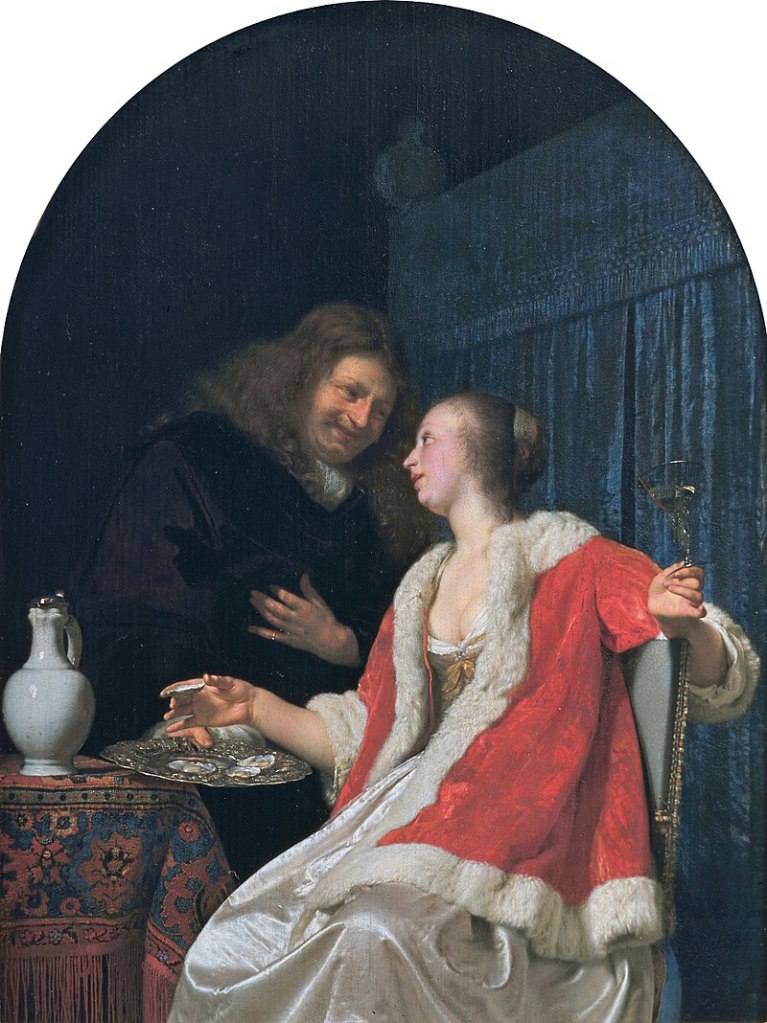
To this day oysters are considered an aphrodisiac. I’ve never understood why. I mean, yes, I get the symbolism and I understand they’re supposed to resemble certain body parts, but I don’t understand why anyone would think having a phlegmy lump of mollusc slide down your throat would do anything but make you vomit on your lover’s pillow.
Yet here we are. Oysters have been written about extensively and in ancient Rome they were seen as luxury items, a little like they are today. There’s not a lot of evidence, however, that the Romans viewed them as aphrodisiacs. Actually, it’s not until the 16th century or so that there was a meaningful shift in how people thought of them.
In 1566 the French poet Alain Chartier wrote that “oysters provoke lechery” – apparently so much so that some brothels began serving them to their clients.
By the 17th century the word oyster had become a slang word for female genitalia and by the 18th century oyster sellers – women who stood on street corners selling baskets of oysters – found their job title had morphed into a byword for sex worker.
So who’s driving up the demand for oysters in the 18th century?
Who else? Casasnova.
Casanova
His name has become synonymous with philanderer, womanizer, seducer. He wasn’t shy about it either. In his memoirs he recounts over 100 encounters – some consensual, others less so – with women and men. But aside from his peacocking, he also mentions food. A lot.
Casanova holds food and women up as two things he celebrates more than all else:
I have always liked highly seasoned food…as for women I have always found the one I was in love with smelled good.”
There you go ladies – ditch the perfume and just douse yourself in peri peri sauce.
Casanova loved many types of food. He wrote a ten stanza poem about macaroni to gain access to some sort of elite poetry society and then, once in, ate so much of the stuff that they nicknamed him the prince of macaroni.
But the thing that Casanova seems to eat more than all else is oysters. He supposedly consumed 50 of them every morning. Oysters weren’t just a food to him, but a means to an end and they often crop up in foreplay.
He plays a game with rich women which he literally calls the “oyster game”. The game consists of him persuading women to let him feed them oysters which he then “accidentally” drops down their tops. Or bodices. Or whatever, I’m not an expert in 18th century clothing. As they say, hilarity (and sex) often ensues.
“LOL so funny Bernard, but if you drop one more of those things down my top I’ll punch your eyes out, OK?”
Casanova never explicitly calls oysters an aphrodisiac. At one point he suggests that a meal of oysters shared between himself and one of his paramours “had their natural effect” and later on he refers to them as “an aid”. Similarly, one woman who attempts to rebuff him says she will “pick up no more oysters” as she fears the effect they’ll have on her.
Unfortunately for Casanova, it may have all been in his head. Not that it seemed to stop him, but though oysters are high in zinc, which has in some studies been shown to boost testosterone, it’s not present in high enough levels to have any sort of meaningful effect on libido.
Does it matter, in the end?
Probably not.
Whether aphrodisiacs work or not almost certainly comes down to your mindset. The action of taking an aphrodisiac, be it a bumper bag of onions, a dried rabbit womb or a plate of oysters could prime a person to expect it to work, which might lead to increased confidence and thus success with any lovers.
What your partner thinks of your breath after eating all that? Well, that’s probably the thing that decides if you get lucky or not.
The swamp of one-term presidents – specifically presidents who failed to be reelected – is not a deep one to drain.
The reasons an incumbent president loses reelection are numerous and nuanced, but fall into a couple of broad categories. Either they are completely incompetent in the face of global or national crisis(es), or they have deep personal and/or moral failings. It is rare that one president manages to fulfil both categories so equally.
Despite not living in America, the election has dominated headlines here in the UK since November. Until quite recently there was still a dedicated ‘US election’ tab on the BBC website for anyone looking for a quick and cheap way to dramatically increase their blood pressure.
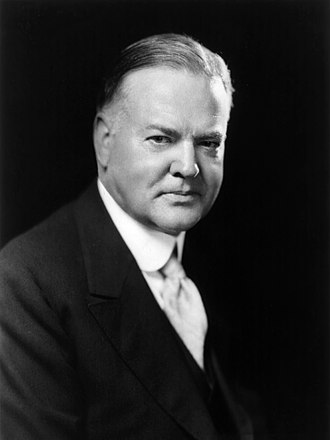
On this historic day I wanted to look back on another one-term Republican president: Herbert Hoover. He was president from 1929 to 1933 and is remembered mainly as the president during the Great Depression.
Guided by a belief that federal government should not have a direct role in bolstering the economy (but rather it was down to local authorities to support local businesses), Hoover ended up reacting to the early days of the Depression by downplaying it somewhat, believing it would be a short-lived economic blip.
Unfortunately it wasn’t a blip. Over the next few years, millions of people lost their livelihoods and homes. Tens of thousands of these people ended up living in shanty towns made of cardboard and whatever else could be scavenged, begging for food and work and queuing outside free soup kitchens for hours each day. Out of damning criticism of Hoover’s perceived incompetence, these places were nicknamed ‘Hoovervilles’.
By the time of the next election in 1932, Hoover’s popularity was at an all time low – there were even assassination attempts made against him. Unsurprisingly, he lost both the popular and electoral vote by a landslide. This paved the way for Franklin D. Roosevelt to become the first Democratic president since Woodrow Wilson’s term ended in 1921.
None of this has got anything to do with food…
Well, no. And yes.
When Roosevelt took over in March 1933, his wife Eleanor was reportedly horrified to find cockroaches in the White House kitchen. Later her housekeeper Henrietta Nesbitt wrote:
I can’t work up any charm for cockroaches. No matter how you scrub it, old wood isn’t clean. This was the ‘first kitchen in America,’ and it wasn’t even sanitary. Mrs. Roosevelt and I poked around, opening doors and expecting hinges to fall off and things to fly out. It was that sort of place. Dark-looking cupboards, a huge old-fashioned gas range, sinks with time-worn wooden drains, one rusty wooden dumb waiter. The refrigerator was wood inside and bad-smelling. Even the electric wiring was old and dangerous. I was afraid to switch things on.
Yet despite the supposed state of the kitchen, Hoover apparently liked his food. He would eat pretty much anything, wolfing down plates of pie, baked hams and soups with such speed that his kitchen staff used to keep bets on how quickly he would finish a meal. His own cook, Mary Rattley commented that “Mr. Hoover is the easiest man in the world to please.”
Easy or not, Hoover had a particular fondness for sweets, which is where today’s experiment comes in. Taken from The Presidents’ Own Whitehouse Cookbook, Herbert Hoover’s sweet potato (emphasis on the word ‘sweet’) seemed a timely recipe.
The recipe.
The instructions read like simple mashed sweet potato at first. I dutifully peeled and boiled two large potatoes before mashing them with butter, nutmeg and cream. The next step was to add some ground walnuts, which seemed more unusual but quite promising. Then things got…strange.
“Dot the top with marshmallows” the recipe instructed, “and brown as if for a meringue.”
Marshmallows – was this a savoury dish or a sweet one? A quick Google informed me that sweet potato with marshmallows is a fairly common dish in America (not so much in the UK), so maybe I was about to have all my culinary preconceptions challenged by this.
I covered the still-hot mashed sweet potato with mini marshmallows and baked it for a few minutes until they were just starting to brown.
I do not think this is the official Presidential design.
The verdict.
It looked and smelled fairly appetising, I have to say.
I like marshmallows and I love sweet potato, so there was nothing inherently dreadful to me about the recipe, but I still found the concept a bit unnerving. With the marshmallows oozing small pools of melted sugar over the potato, I dolloped a spoon into my bowl and dug in.
My first thought was that the combination was a little jarring. The sweet potato tasted exactly as I’d expected – with a slightly nuttier aftertaste because of the walnuts – but it was a pretty earthy, naturally sweet flavour. In comparison, the marshmallows tasted quite synthetic and I found the mix a but off putting in all honesty.
It wasn’t as sweet as I’d expected, though. Being baked had leant a toastiness to the marshmallows which I think tempered some of their sugariness. The walnuts – which I’d ground to a coarse dust – gave the sweet potato additional texture and worked really well with the creaminess of it all.
Family friendly version.
Would I make it again? Perhaps, with fewer marshmallows. I really liked the walnut addition to the sweet potato, so would definitely incorporate that into future cooking.
Ultimately this was a very American dish which made it perfect for today of all days, and as the USA enters a new era and administration of hope and unity I wish all my American readers the best.
E x
Herbert Hoover’s Sweet Potatoes
2 large sweet potatoes 60 ml (or 1/4 cup) cream 60g (or 1/4 cup) ground walnuts 1 table spoon butter Mini marshmallows Nutmeg Salt
Peel and boil the sweet potato until soft.
Mash the sweet potato with the cream, butter, salt and nutmeg until completely smooth.
Stir in the ground walnuts.
Dot the top with mini marshmallows and heat in the oven at 190 degrees C (375 F) for a couple of minutes until the marshmallows are golden brown.
Every day the weather app promises me snow. And every day, without fail: no snow. I’d almost given up hope until last Friday when I woke to see the long-awaited drifts and the less long-awaited sight of next door’s cat, pissing in them.
Either I overestimated how much snow there was, or Stanley’s urine contains antifreeze, because by lunchtime it had all melted away. All of it. Gone.
Needless to say I was pretty disappointed; I’d hoped for sugar dusted foliage and undulating mounds of the stuff to spend the day messing around in. A pile of yellow slush does not a snowman make, no matter how many times you get your toddler to hold it in place.
For today’s experiment, then, I needed something that would cheer me up and bring back the wintry weather I’d hoped for. Written half way through the 16th century in A Proper Newe Boke of Cokerye, ‘A Dyschefull of Snowe‘ seemed perfect.
To make a dyschefull of Snowe. Take a pottell of swete thycke creame and the whytes of eyghte egges, and beate them altogether wyth a spone, then putte them in youre creame and a saucerfull of Rosewater, and a dyshe full of Suger wyth all, then take a stycke and make it cleane, and than cutte it in the ende foure square, and therwith beate all the aforesayde thynges together, and ever as it ryseth take it of and put it into a Collaunder, this done take one apple and set it in the myddes of it, and a thicke bushe of Rosemary, and set it in the myddes of the platter, then cast your Snowe uppon the Rosemarye and fyll your platter therwith. And yf you have wafers caste some in wyth all and thus serve them forthe.
A Proper Newe Booke of Cokerye
A dishful of what now?
Basically this experiment is a plate of whipped cream, reinforced with beaten egg whites. It sounds as if it should be a topping on a cake rather than a dessert, but it would have been served as a dish in its own right during the 16th century.
Remember that dishes were served all together rather than one after the other at banquets, so a plate of whipped cream wouldn’t have been too odd when served alongside plates of chopped fruit and nuts.
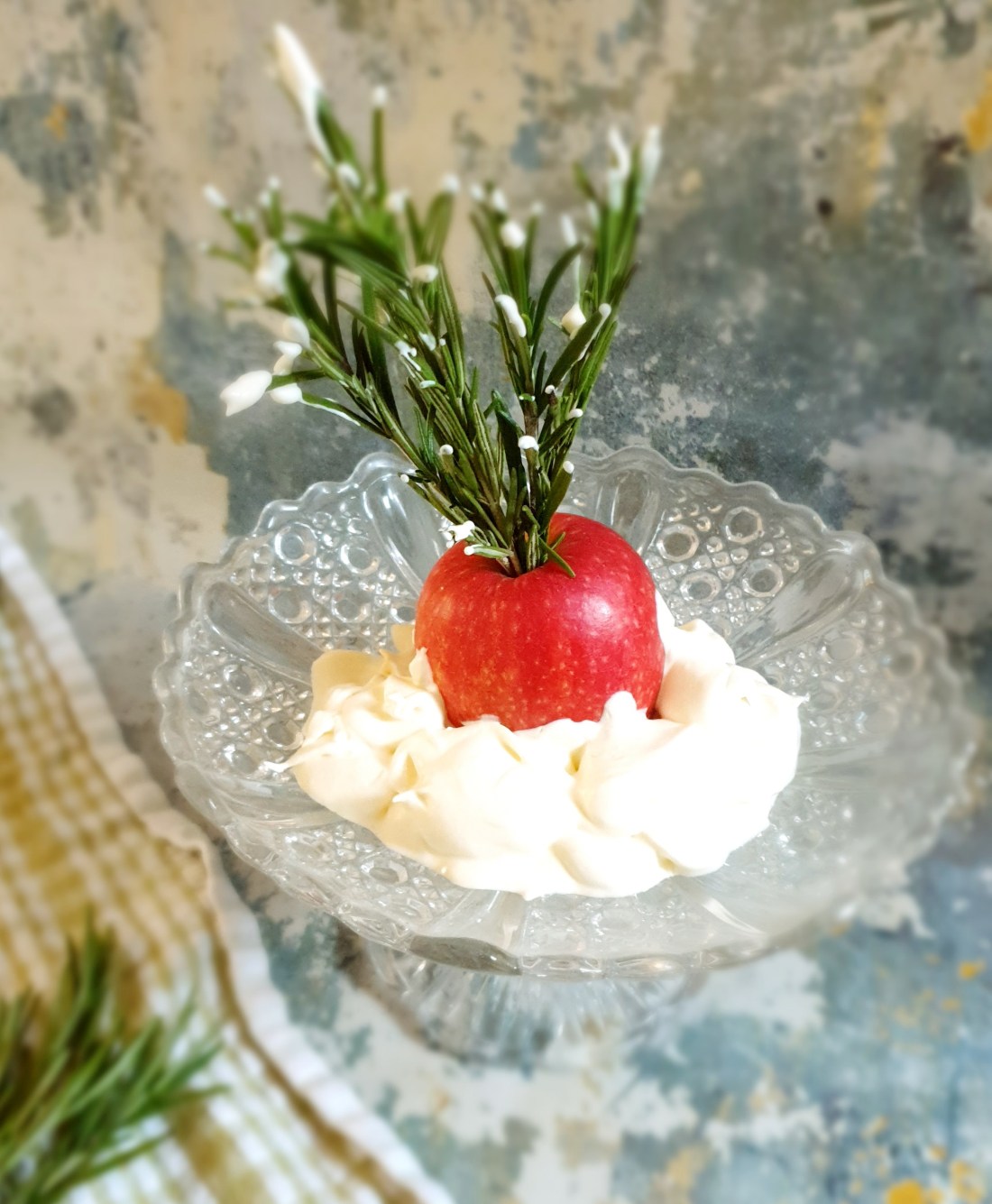
What makes A Dyschefull of Snowe unusual isn’t the ingredients, but the presentation. Essentially this dish was intended to be decorative as well as edible and fits somewhere on the ‘food masquerading as other things’ spectrum the Tudors loved so much (see my post ‘marchpane‘ for another example.) Once completed, this dish should look like a tree (an apple with rosemary in it) surrounded by thick drifts of new fallen snow.
A Proper Newe Booke of Cokerye wasn’t the only cookbook with recipes for snow. I found at least three other almost identical versions; a French one from 1604 that omitted the apple but included “a branch of rosemary”, a 16th century German version “to make Snow” and another English recipe from 1591 that seemed to be an exact copy.
A 500 year old Proper Newe Booke
The easiest recipe ever?
When I read this, the thing that struck me most was how simple it was. One reason for this may be the intended audience. A Proper Newe Booke of Cokerye was one of the first cookbooks to be aimed at a general reader, rather than just professionals. Previously, most cookbooks were aimed at cooks within royal – or at least rich – households and were designed to showcase wealth and skill.
A Proper Newe Booke of Cokerye straddled these two types of book. One the one hand, recipes for peacock harked back to the old ways of cooking. But the inclusion of instructions for when to serve each dish and what are essentially menu suggestions also points to a newer, more inexperienced audience. This is where ‘Snowe’ fits in – a dish that was accomplishable and straightforward while still retaining some of the old style ‘wow’ factor of cookery.
The method.
So I suppose it’s time to address the elephant in the room. With a recipe as simple as this, did I cut corners and use a food processor to beat the egg whites or did I attempt the 16th century way: cutting the end of a twig into four and using it as a whisk?
Look, I tried, I really tried. I didn’t go so far as to cut my own twig, but did attempt to use a manual whisk. I gave it a really good go for a full 30 seconds before thinking “sod this”, and plugging my electric one in. Life’s too short, people!
Once the egg whites had risen to form peaks, I slowly added my cream, sugar and rosewater (beating all the time) and continued to whisk until the whole mass held its shape.
I selected my fanciest glass plate to compensate for the simplicity of the recipe and placed an apple in the centre. The rosemary fit nicely into the hole around the stalk and I began to pile my snow in heaps around it.
Is this not the most convincing thing you’ve ever seen?
The verdict.
This was one of the oddest looking things I’d made. The apple with tufts of rosemary sticking out of it looked, well, exactly like an apple with tufts of rosemary sticking out of it. I couldn’t really see the resemblance to a tree that others had suggested, but I don’t know – maybe 16th century trees just looked different to modern ones?! One though I had afterwards was that I was supposed to bury the apple under the snow so that only the rosemary was visible, but it was too late by that point.
The snow itself was very pleasant. It wasn’t too sweet because I hadn’t added a huge amount of sugar. Because of the addition of egg whites this was a little lighter than standard whipped cream – and in fact it took longer to whip up – but there wasn’t much difference beyond that that I could tell. Really the only thing that made me think this was something historical was the perfumed flavour of rosewater. It wasn’t overpowering (I’d learnt my lesson from last time), but just added a subtle fragrance to the cream.
The original recipe seemed to suggest eating this on wafers, but I hadn’t made any. We ate ours on pancakes instead, and it worked just as well.
In the end this wasn’t the kind of snow you could pelt at anyone. You couldn’t make a snowman out of it and there wasn’t enough for a snow angel either. But as I looked resentfully at my damp and drizzly cat-piss drenched garden, I thought that maybe, just maybe, this type was a bit better anyway.
E x
A Dyschefull of Snowe
2 egg whites 200ml (or 6.5 fl oz) double cream (or heavy cream if you can’t get double cream) 1 teaspoon rosewater 50g caster sugar
Whip the egg whites up until they form stiff peaks.
Add the sugar and rose water to the cream and stir to dissolve.
While still beating the egg whites, add the cream slowly and continue to whip until the mixture stiffens. It will take several minutes.
Once the mixture has formed soft peaks, stop beating. Set it to one side.
Take an apple and stick as many stalks of rosemary in the top of it as will fit. Place the apple on a plate.
Spoon the beaten cream around the apple, spreading some of the cream on the rosemary tufts to make it look like they are covered in snow.
If you’ve come here for upbeat positivity about how we can all make some decent resolutions and start new health kicks then I’ve got news for you: you’ve stumbled onto the wrong site.
For the rest of you who, like me, have no intention of starting a juice cleanse nor any plans to give up chocolate or alcohol this month (why would you?!), read on.
My family has a tradition of getting together on the evening of 5th January and having a Twelfth Night dinner. It’s nothing too fancy – just a stew and some spuds – but it’s a great way to draw a line under the festive period and gives us all something to look forward to during the first working week after the break.
What is Twelfth Night?
Put simply, it’s the evening of the final 12 days after Christmas. Put less simply (and depending on who you ask), Twelfth Night is either the 5th January or the 6th January – it basically comes down to whether or not you count Christmas Day as being the 1st of the 12 days.
The 6th January is the Epiphany – the day the 3 Magi supposedly reached the infant Jesus to bestow their very child friendly gifts of gold, frankincense and myrrh on him. Traditionally it’s Epiphany that was the big party of the festive season and not Christmas, which was reserved for contemplation and prayer.
In medieval England, 6th January marked the beginning of eight days of celebrations called the Feast of Epiphany. This feast began on the 6th and lasted until 13th January and it was during this celebratory week-and-a-day that gifts were given and general merriment made.
Twelfth Night Cake
One of the merriments to be made was Twelfth Night cake. These were rich fruit cakes which eventually developed into our modern Christmas cake. They were often drenched in alcohol and, in subsequent years, were decorated with a thick layer of royal icing.
Twelfth Night cakes could be as highly decorated or as simple as the baker could afford. By the Georgian period, they’d become extremely elaborate affairs and were decorated with feathers, gold, and sugar paste models of increasing intricacy.
“The Regency Twelfth Cake Not Cut Up” by James Sayers, 1789. The man on the right looks sad because he’s just started his January diet. Credit here.
But the thing that seperated twelfth night cakes from your bog standard fruit cake was the bean inside it. And this is where all the fun came from.
A bean? In a cake?
The tradition goes like this: a dried bean would be placed inside the cake mixture before baking. When the cake was cut and shared out, whoever found the bean would be crowned king for the day and everyone else would have to do as they said.
There are hundreds of variants to the game: in 1676 Henry Teong, a British naval captain, described a slightly NSFW version:
We had a great cake made, in which was put a bean for the king, a pea for the queen, a clove for the knave, a forked stick for the cuckold and a rag for the slut… which caused much laughter to see our Lieutenant prove the cuckold, and more to see us tumble over the other in the cabin, by reason of the rough weather.
“By reason of the rough weather” – nothing at all to do with the drinking and booze in the cake, then?
The French version of the game, according to 16th century writer Étienne Pasquier, included forcing the youngest child in the house to sit under the table and, as the master of the house cut the cake, shout out the names of the recipient of each slice. The idea was that the child (ignorant of the rank or age of the assembled diners and – importantly – unable to see which piece the bean was in) would call out the names of the guests in whichever order took their fancy. The result of this was that it was completely random who received the lucky slice.
The idea of putting a bean or counter into a cake in order to crown a ‘king’ seems to have been one that was shared across many European countries – not just Britain and France. It’s a tradition that maybe had roots in the ancient Roman festival of Saturnalia. This was a December-time feast in honour of the Roman god Saturn and as part of the celebrations a ‘ruler’ would be appointed by lot from each household to be the master for the day.
As with anything like this, it’s impossible to say for sure that the Twelfth Night game developed from the games played during Saturnalia, but its popularity across multiple European countries and the vagueness of its origins suggests there may be some links.
Whatever the origins may be, my family prefers the French version to the ‘sluts and cuckolds’ version. This is partly because it’s a lot less awkward to see your dad crowned a ‘king’ than a ‘slut’, but also because it allows us to (lovingly) berate my younger sister and shout at her to “get under the table and stay there, you ignorant child!”
She is 26 years old.
Galette des Rois or Fry Blaunched?
There’s another reason my family prefers the French version of Twelfth Night cake to the English one. We’re usually too full of Christmas pudding and Christmas cake by Twelfth Night to feel excited about another fruitcake, but the French version – called a Galette des Rois – is nothing like that. Traditional Galette des Rois are puff pastry discs filled with frangipane. They are quick, simple and utterly delicious.
The trouble was I couldn’t find an original recipe for Galette des Rois. They must exist, but my modern French is bad enough, and my Middle French is non-existent.
What I did find was something that I though might capture an essence of them. It was in Forme of Cury, a 14th century cookbook compiled by the master cooks of Richard II. Many English recipes at this time took inspiration from French recipes and in fact quite a few recipes in F.o.C. share similarities with recipes in a contemporaneous French work, Le Viandier de Taillevent. Just to be clear, though, I’m not at all saying the experiment I tried today was a precursor to modern Galette des Rois.
Fry Blaunched Take Almandes blaunched and grynde hem al to doust, do þise in a thynne foile. close it þerinnne fast. and fry it in Oile. clarifie hony with Wyne. & bake it þerwith
Take blanched almonds and grind them to powder and place them on a [thin sheet of pastry]. Close it therein and fry it in oil. Add clarified honey and wine and bake it therewith.
It seemed I was dealing with a fried, almond ravioli thing. Not quite the same as light puff pastry with a frangipane filling, but I was willing to try it.
Like all good medieval recipes (and if you’ve read any other of my medieval posts you can join in with this bit): there were no instructions. No details on how to make the pastry, or what ingredients to use, or even just a hint at any measurements.
Medieval pastry contained no fat. They didn’t use butter, suet or lard like we might today – most pastries were a simple mix of water and flour.
There were some additions, though. Egg was sometimes used instead of water to form a richer pastry and spices like saffron might be used to give a deeper colour. Because we were, after all, celebrating Twelfth Night I decided to really splash out and used a flour, egg and saffron mixture. I know, I know; such decadence so soon after Christmas!
The Method.
I rolled the dough out as thinly as I could; the word “foile” in the recipe actually meant as thin as a sheet of paper. Then I blitzed blanched almonds in a blender (you could use a mortar and pestle for a true medieval experience if you want but honestly, who has the time?) and cut the dough into neat ribbons.
I calculated I could fit a small teaspoon of filling into each pastry parcel without it spilling out the edges during the cooking. Once my ravioli-esque Frys were complete, I fried them in hot oil for a couple of minutes on both sides.
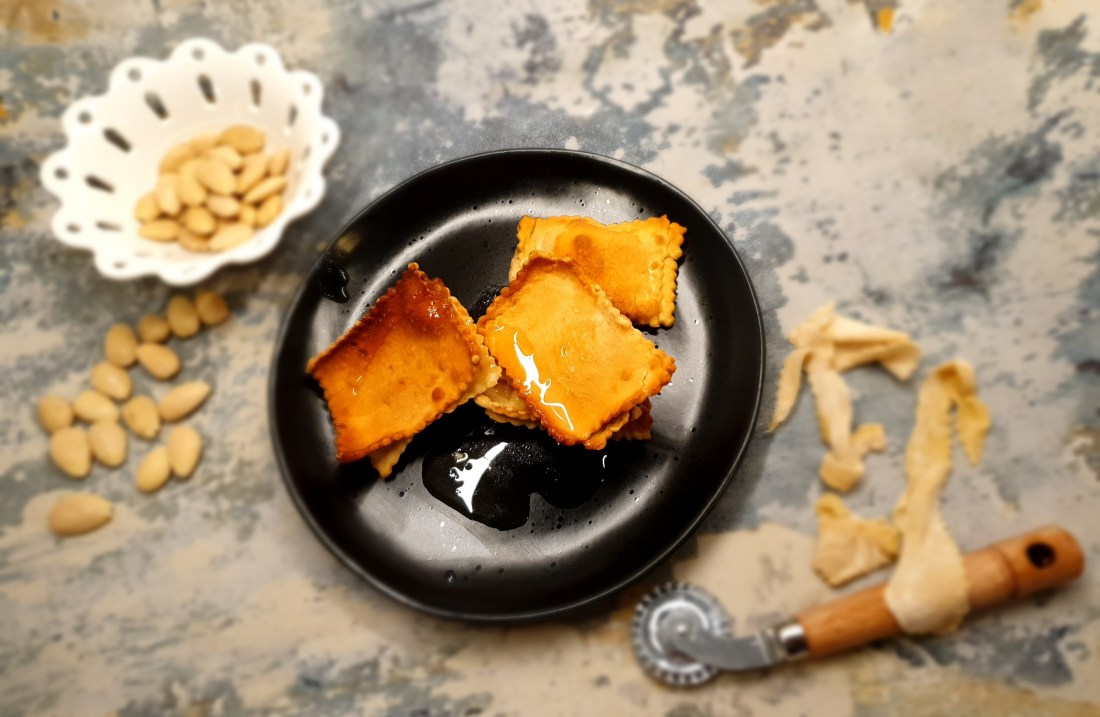
In the oil they puffed up nicely and looked like mini Galette des Rois, which I was really pleased about. I had to push a couple of them down with the back of a spoon as the sheets of pastry kept separating, threatening to spill the crushed almonds into the pan.
Once they were nice and crisp – but not brown – I laid them in a baking dish and poured over a mixture of honey and white wine that I’d warmed together in my very authentically medieval microwave, before cooked them in the oven for 15 minutes.
Not a Galette des Rois, but still delicious.
The Verdict.
They smelled lovely – of warm honey and fruit (because of the wine). They looked pretty appetising too; the blast in the oven had transformed them into golden brown crisps, shining in their sweet glaze.
And, truth be told, they still looked fairly similar to Galette des Rois. It was true they were smaller, but because the pastry was so thin to start with and because the frying process had caused it to puff up, it actually wasn’t too far off looking like puff pastry.
I was excited to try one and I wasn’t disappointed. The pastry was pretty pleasant: crisp, fairly rich and because it had been sitting in the pool of honey and wine during baking, also quite sweet.
Unlike Galette des Rois, the insides of Fry Blaunched didn’t taste of frangipane. They were pretty dry and a bit plain – just almond, really – without any sweetness. But that didn’t make the overall dish unpleasant. In fact, when an open pastry was dipped in the sticky honey and wine sauce, the almond mixture soaked it up which made for a sweet and nutty flavour.
Galette des Rois they might not have been (and they sure as hell weren’t Twelfth Night cakes) but as there won’t be any proper Twelfth Night celebrations this year (my family will have to shout at my sister via Zoom instead), perhaps they’ll be a good alternative.
Happy New Year!
E x
Fry Blaunched
50g or 2 ounces blanched almonds 1 medium egg 85g or 3 ounces plain white flour 20ml or 2 tablespoons runny honey 20ml or 2 tablespoons white wine Oil for frying (any will do; I used olive)
Set the oven to 180 degrees C, 350 degrees F.
Blitz your almonds until they are completely ground.
Combine the egg and flour in a bowl and knead into a dough.
Roll the dough out onto a floured surface to as thin as you can. It should be no thicker than 2mm.
Cut the dough into strips, and then cut into squares – about 6cmx6cm.
Put a small teaspoon of the ground almonds onto half of the pastry squares.
Place the other half of the pastry squares over the squares with almonds on. Seal the sides shut – you will need to push them very tightly together or they will pop open during frying!
Heat a shallow frying pan with oil and wait until a small piece of dough bubbles at the edges when dropped in.
Fry no more than 2 at a time, turning over with a slotted spoon after a couple of minutes to cook on both sides. The pastry should puff up and go hard.
When all your pastries are fried, lay them in a roasting tin or lipped baking tray.
Heat the honey and wine together in a microwave or a pan until the honey has dissolved.
Pour the honey and wine mixture over the pastries and bake for 10-15 minutes, or until the pastries are a golden brown all over.



/https://public-media.si-cdn.com/filer/20120618042013sumeriant.jpg)














 The Past is a Foreign Pantry

You must be logged in to post a comment.